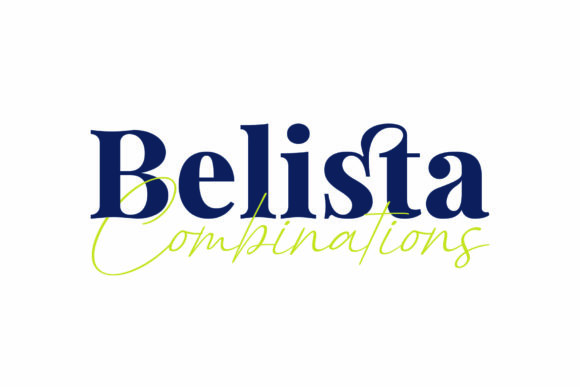
Belista: The Versatile Duo Font for Elegant and Assertive Design Workflows
In the modern digital landscape, where attention spans are short and visual competition is fierce, selecting the right typography is not merely an aesthetic choice; it is a strategic decision that dictates the success of your communication. Belista stands out as a solution that bridges the gap between two distinct typographic worlds: the structured reliability of serif fonts and the fluid personality of script typefaces. This duo font combines elegance with assertiveness, offering professionals, creators, and entrepreneurs a versatile tool to elevate their projects from concept to completion.
Understanding how to integrate Belista into your workflow requires looking beyond simple decoration. It is about leveraging the dual nature of the font to guide the viewer's eye, establish hierarchy, and convey specific emotional tones within a single project. Whether you are designing wedding invitations, creating social media assets, or developing brand identity materials, Belista provides a cohesive framework that ensures consistency while allowing for creative expression.
Defining the Belista Workflow Integration
The core strength of Belista lies in its composition. By pairing a classic serif with a dynamic script, it eliminates the need for designers to search for compatible typeface combinations, saving valuable time during the planning phase. In a typical design process, finding a script that harmonizes perfectly with a serif can be a bottleneck. Belista removes this friction, allowing you to move immediately from brainstorming to execution.
When incorporating Belista into a project, consider the roles each style plays. The serif component serves as the foundation, providing readability and authority. This is ideal for body text, headers, or any section requiring clarity and trust. The script element acts as the accent, introducing flair and human touch. This division of labor allows you to maintain a professional appearance without sacrificing the personal connection that scripts often bring to a design.
For small business owners and marketers, this integration is crucial. Consistency across different platforms is a common challenge. Using a pre-matched duo like Belista ensures that your email newsletters look as polished as your physical stationery. You do not have to worry about kerning issues or mismatched weights because the pair is designed to work together seamlessly. This compatibility extends to various file formats, ensuring that your assets remain crisp whether they are viewed on a mobile device or printed on high-quality cardstock.
Strategic Application in Creative Projects
The versatility of Belista makes it applicable across a wide spectrum of creative endeavors. Let us examine how this font functions in specific scenarios, moving from preparation to final delivery.
- Wedding Invitations: In the realm of event planning, the invitation sets the tone for the entire occasion. Belista excels here by using the script for names and dates to create a romantic, handwritten feel, while the serif handles the logistical details like venue, time, and RSVP instructions. This balance ensures guests are both emotionally engaged and clearly informed.
- Social Media Marketing: For influencers and content creators, engagement is key. A static image with only one typeface can feel flat. By using Belista, you can create eye-catching posts where the script highlights the main message or call-to-action, drawing immediate attention, while the serif supports the context. This layering technique increases the likelihood of the user stopping to read the content.
- Brand Identity: Entrepreneurs often struggle to define their brand voice. Belista offers a unique way to express a brand that values tradition (serif) but embraces innovation and creativity (script). This duality can be particularly effective for boutique agencies, artisanal food brands, or lifestyle coaches who want to appear established yet approachable.
Optimizing Efficiency and Quality Control
Efficiency is a primary concern for productivity-minded users and freelancers managing multiple clients. When you adopt Belista, you streamline your asset management process. Instead of maintaining a library of disparate fonts and constantly checking for licensing compatibility, you have a reliable, all-in-one resource. This reduction in decision fatigue allows you to focus more on the actual creative output and less on technical setup.
Quality control is another area where Belista shines. One of the most common errors in graphic design is poor contrast between typefaces. Because Belista is engineered as a duo, the visual weight and x-height of the letters are naturally aligned. This means you can achieve a professional finish without spending hours adjusting leading, tracking, or baseline shifts. For educators and publishers, this reliability translates to cleaner layouts and better readability for students and readers alike.
Furthermore, the adaptability of Belista supports long-term use. As your projects grow, having a consistent typographic system helps build brand recognition over time. If you are building a series of blog posts or a newsletter campaign, using the same font pairing reinforces your visual identity. This consistency builds trust with your audience, signaling that your content is well-crafted and reliable.
Technical Considerations and Compatibility
Before diving into implementation, it is essential to ensure that Belista fits within your existing technical ecosystem. Most modern design software, including Adobe Creative Cloud, Affinity Designer, and Canva, supports standard font formats that Belista utilizes. However, if you are working with web development tools, check the available web font licenses. Many duo fonts come in OpenType formats that support ligatures and alternate characters, which can further enhance the script's flow when used digitally.
When preparing your files for export, pay attention to the resolution settings. Since Belista features delicate script strokes, exporting at low resolutions can cause these fine lines to break or blur. For print workflows, always export at 300 DPI to ensure the sharpness of the serif edges and the smooth curves of the script. For digital use, vector formats or high-resolution PNGs are recommended to preserve the integrity of the design.
Practical Implementation Strategies
To get the most out of Belista, you should approach its usage with a clear strategy rather than applying it randomly. Here are practical steps to integrate this font into your daily routine effectively.
- Define Your Hierarchy: Before opening your design software, decide which information needs to be emphasized. Use the script sparingly for headlines, names, or key phrases. Reserve the serif for supporting text. Overusing the script can make a design look cluttered and difficult to read.
- Test Contrast Ratios: Ensure there is sufficient contrast between the font color and the background. The elegance of Belista relies on clarity. Dark gray or black text on white backgrounds usually works best, but you can experiment with soft pastels as long as readability remains high.
- Leverage White Space: Give the letters room to breathe. Both the serif and script components benefit from generous margins and padding. Crowding the text diminishes the luxurious feel that Belista is known for.
- Maintain Consistency: Once you establish a pattern of using Belista in your documents, stick to it. Do not switch to a different script for a different section unless absolutely necessary. Consistency is the hallmark of professional design.
By following these guidelines, you transform Belista from a simple font selection into a powerful component of your design workflow. It becomes a tool that not only looks good but also facilitates the creation of high-quality outputs efficiently.
Bridging the Gap Between Art and Utility
Ultimately, the value of Belista is found in its ability to serve both artistic and functional needs. In a world where design must often adhere to strict brand guidelines while still capturing attention, this duo font offers a flexible solution. It respects the rules of typography while allowing for creative deviations that make a piece memorable.
Whether you are a freelancer pitching a new client proposal, a blogger writing a heartfelt post, or a marketer launching a product line, Belista provides the structural integrity and stylistic flair needed to succeed. It proves that you do not have to choose between being elegant and being assertive; with the right tools, you can be both simultaneously.
As you move forward with your next project, consider how Belista can fit into your process. Evaluate your current typographic choices and ask if they are truly serving your goals. If you find yourself struggling to find a font that balances professionalism with personality, Belista may be the missing link in your creative toolkit. Embrace its versatility, respect its structure, and watch as your designs take on a new level of sophistication and impact.