Binter: A Bold Retro Script for Authentic 60s Branding and Design
In the vast landscape of digital typography, finding a typeface that balances historical authenticity with modern functionality can be a challenging endeavor. Binter emerges as a distinctive solution for designers seeking to evoke the vibrant energy of the 1960s without sacrificing technical precision. This bold retro script is not merely a stylistic choice; it is a tool designed to transport viewers back to an era defined by optimism, extruded aesthetics, and dynamic visual communication. Whether you are crafting a logo, designing packaging, or setting the tone for a wedding invitation, Binter offers a unique set of capabilities that distinguish it from standard serif or sans-serif options.
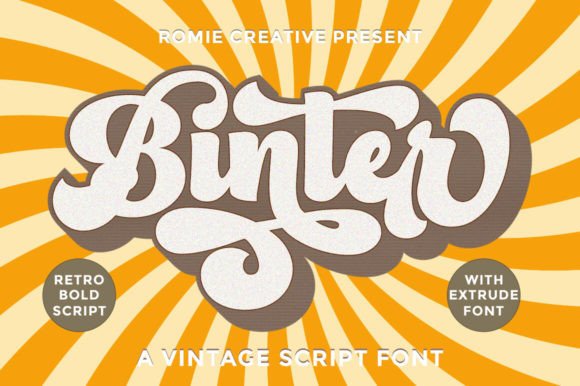
The core appeal of this typeface lies in its ability to create an immediate sense of nostalgia while maintaining legibility. The design features an "extrude" version, a specific characteristic that allows users to generate a three-dimensional retro effect with ease. In a market saturated with flat designs, this feature provides a tangible depth that can make a brand stand out. However, understanding when to apply such a heavy-handed stylistic approach requires a nuanced evaluation of your project's goals. For some applications, the boldness of Binter is a perfect fit, while for others, a more subtle approach might be necessary.
Understanding the Distinctive Characteristics of Binter
What sets Binter apart from other vintage-inspired fonts is its structural integrity combined with its playful nature. Unlike many retro scripts that prioritize style over function, resulting in poor readability at small sizes, Binter maintains a clear form factor suitable for various formal and informal contexts. The extrusion capability is particularly noteworthy. It transforms a standard two-dimensional text into a layered graphic element, mimicking the pop-art trends of the mid-20th century. This makes it an ideal candidate for logos where visual impact is paramount.
The versatility of Binter extends beyond just the extruded look. The font family includes a comprehensive range of glyphs and ligatures accessible through PUA (Private Use Area) encoding. This technical detail is often overlooked but is crucial for professional workflows. PUA encoding ensures that every special character, alternate glyph, and decorative ligature is readily available within standard design software without requiring complex plugin installations or manual substitution. This seamless access allows designers to experiment freely, adding flourishes and connecting letters fluidly to achieve a hand-lettered feel that looks polished and intentional.
Application Versatility Across Industries
The breadth of use cases for Binter is extensive, spanning from commercial advertising to personal stationery. Its adaptability stems from the fact that it can be scaled and modified to fit different aesthetic requirements. For instance, in the realm of fashion and makeup, the bold strokes of the script convey confidence and trendiness, making it suitable for branding high-end cosmetic lines or clothing labels. Similarly, in the publishing industry, Binter serves well for novel covers or magazine headers where a strong typographic voice is needed to grab attention.
- Logos and Branding: The extrude option creates memorable emblems that work well on signage and storefronts.
- Packaging and Labels: On product boxes, the font adds a tactile quality that suggests premium craftsmanship.
- Event Stationery: Wedding cards and invitations benefit from the romantic yet spirited vibe of the script.
- Editorial Design: Books and magazines can utilize the font for drop caps or section dividers to break up dense text.
Evaluating Binter Against Modern Alternatives
When evaluating Binter, it is essential to consider how it compares to contemporary design trends and other retro-style resources. Many modern designers opt for minimalist, geometric sans-serifs that prioritize clean lines and neutrality. While these fonts offer excellent readability for body text and corporate identity systems, they often lack the emotional resonance required for projects aiming to tell a story or evoke a specific time period. Binter fills this gap by offering a personality-driven alternative that commands attention.
However, compared to other retro fonts that rely heavily on distressed textures or imperfect edges, Binter presents a cleaner, more refined silhouette. Some competitors in the retro category may struggle with consistency across different weights or fail to provide enough alternates for natural-looking text flow. Binter addresses these potential limitations through its robust PUA encoding and consistent stroke width, ensuring that the final output remains crisp even when resized significantly. This consistency is vital for professional applications where reproducibility is key.
Another point of comparison involves the balance between novelty and usability. Fonts that are too stylized often become gimmicky, losing their effectiveness after a few seconds of exposure. Binter manages to walk the line effectively; it is distinct enough to be memorable but structured enough to remain readable. This balance makes it a safer choice for long-term branding initiatives compared to more experimental typefaces that might date quickly or feel overwhelming in sustained usage.
Navigating Tradeoffs and Limitations
No single typeface is a universal solution, and Binter is no exception. Its primary limitation lies in its specific stylistic direction. Because it is a bold retro script, it is generally unsuitable for large blocks of body text in technical manuals, legal documents, or academic papers. The ornate nature of the characters and the potential for the extruded effects to clutter the page can reduce reading speed and comprehension in dense informational contexts. Designers must exercise restraint, using Binter primarily for headlines, titles, and short phrases rather than extended paragraphs.
Furthermore, the reliance on PUA encoding, while convenient, requires that the recipient of the file has the font installed or that the design is exported as an image or PDF with embedded fonts. If a client intends to edit the text in a basic word processor that does not support the full glyph set, some characters might appear as missing symbols. This is a common tradeoff with specialized display fonts, but it is a critical factor to consider before committing to Binter for a collaborative project involving non-designers.
Strategic Decision-Making for Design Projects
Selecting the right typography is a strategic decision that impacts the perceived value and message of a project. When deciding whether to incorporate Binter, designers should ask themselves what emotion they wish to convey. If the goal is to communicate fun, energy, and a connection to the past, Binter is likely the optimal choice. Conversely, if the objective is to project seriousness, stability, or modernity, a more neutral typeface would be more appropriate.
Consider the context of the medium. On a mobile screen, the extruded effects of Binter might render poorly depending on the resolution and browser rendering engine. In such cases, using the flat version of the font or simplifying the styling is advisable. For print materials, however, the extrusion can be fully appreciated, adding a physical dimension to the paper that digital screens cannot replicate. This distinction highlights the importance of choosing the right format for the intended output.
For professionals comparing resources, Binter represents a valuable addition to a toolkit that prioritizes variety and historical reference. It complements standard fonts by providing a dedicated asset for moments when a project needs a burst of character. By understanding its strengths in logo design, packaging, and event materials, and acknowledging its limitations in body text and technical documentation, users can leverage Binter to create cohesive and impactful visual identities.
In conclusion, Binter stands out as a versatile and technically sound option for those looking to harness the power of 1960s aesthetics. Its combination of bold styling, extrusion capabilities, and comprehensive glyph support makes it a practical choice for a wide array of creative endeavors. While it may not replace a workhorse font like Helvetica or Garamond in every scenario, it excels in situations where a strong visual statement is required. By carefully weighing the tradeoffs and aligning the font's characteristics with project goals, designers can ensure that Binter enhances rather than detracts from their overall design strategy.