Blakari: A Balanced Evaluation of a Retro-Modern Typeface
In the vast landscape of digital typography, selecting the right typeface is rarely a matter of simple preference; it is a strategic decision that influences brand perception, readability, and emotional resonance. Blakari has emerged as a distinctive option for designers seeking to bridge the gap between contemporary functionality and nostalgic aesthetics. This font represents more than just a collection of letterforms; it is an attempt to capture the timeless elegance of mid-20th-century design while infusing it with modern precision. For professionals evaluating typefaces for branding, editorial, or web projects, understanding the specific characteristics of Blakari is essential to determining its suitability.
Defining the Character of Blakari
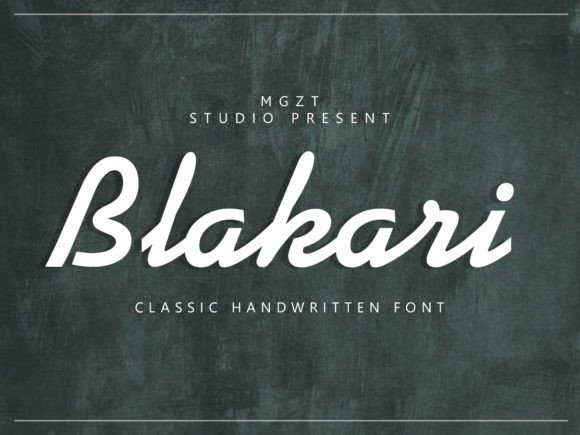
To understand why Blakari might be selected for a project, one must first analyze its structural DNA. The font is designed to effortlessly combine the essence of Latin script with a distinctively retro and vintage touch. Unlike many modern sans-serif fonts that prioritize minimalism above all else, Blakari introduces a sense of history without sacrificing legibility. The letterforms are bold and assertive, utilizing clean lines and sharp edges to evoke a palpable sense of strength and confidence.
This combination of attributes creates a unique visual identity. Each character is meticulously crafted to exude sophistication and refinement. The design does not rely on excessive ornamentation but rather achieves its charm through the weight and proportion of the strokes. By merging the robustness of mid-century graphics with the crispness required for digital screens, Blakari offers a hybrid style that feels both established and current. It captures the allure of the past while remaining functional in today's high-resolution environments.
Strategic Applications and Ideal Use Cases
The decision to incorporate Blakari into a design system should be driven by the specific communicative goals of the project. Because of its strong personality, this typeface is particularly well-suited for situations where a brand needs to establish immediate authority and distinction. Projects requiring a touch of class often benefit from the refined nature of its letterforms.
- Branding and Identity: Companies aiming to project reliability and heritage can leverage the assertive nature of Blakari. Its bold presence makes it an excellent choice for logos, headlines, and primary brand marks where memorability is key.
- Editorial Design: Magazines, books, or long-form articles that wish to convey a sophisticated narrative may find value in the font's ability to hold attention without appearing cluttered. The sharp edges provide a clear structure that guides the reader's eye.
- Event Marketing: Posters, invitations, and promotional materials for events that celebrate culture, history, or luxury often utilize Blakari to set a tone of exclusivity and timelessness.
- Digital Headers: While body text requires high legibility, display headings benefit significantly from the font's stylistic flair. It adds a layer of visual interest to web pages that might otherwise feel sterile.
When used correctly, Blakari transforms a standard layout into something with a curated aesthetic. It suggests that the content within is valuable and worthy of a premium presentation.
Considerations and Potential Tradeoffs
While Blakari offers significant advantages, a balanced evaluation requires acknowledging its limitations and potential tradeoffs. Typography is context-dependent, and a font that excels in one scenario may falter in another. Understanding these nuances is critical before committing to a license or integrating the font into a production workflow.
Readability in Small Sizes: The bold and assertive nature of Blakari, while effective for headlines, can become visually heavy when scaled down. In body text applications, especially at small sizes on mobile devices, the sharp edges and high contrast might reduce readability compared to softer, more neutral sans-serif options. Designers must carefully test the font across various screen resolutions to ensure accessibility standards are met.
Stylistic Specificity: The strong retro influence means Blakari carries a specific mood. It may not align with brands attempting to project a futuristic, tech-forward, or hyper-minimalist image. If a project requires a "neutral" voice that recedes into the background to let content shine, Blakari might be too dominant. Its personality is a feature, but it can also be a distraction if overused or misapplied.
Variety Limitations: Many fonts with such a distinct style offer limited weights and styles (e.g., only Regular and Bold). Designers must verify the available character set and variations to ensure they have enough tools for hierarchy and emphasis within a complex layout. If the family lacks lighter weights, it may restrict the designer's ability to create subtle tonal shifts.
Comparative Analysis: When to Choose Alternatives
Evaluating Blakari involves comparing it against other typographic solutions. If the primary goal is maximum legibility for dense data sets or technical documentation, a geometric sans-serif like Helvetica Neue or Inter might be a more practical choice. These alternatives prioritize neutrality and clarity over stylistic flair.
Similarly, if the project aims for a warm, humanistic feel rather than the sharp, confident edge of Blakari, a humanist sans-serif or a serif font with rounded terminals could be superior. For instance, a brand focused on community, approachability, or organic growth might find the assertiveness of Blakari to be slightly alienating. In such cases, a softer alternative would better serve the intended emotional connection.
Furthermore, if the design system requires extensive customization or variable font technology to adjust weight and width dynamically, designers must check whether Blakari supports these modern features. Some niche or stylistic fonts lack the technical robustness of major utility fonts, which can impact performance and flexibility in responsive web design.
Practical Decision-Making Insights
To determine whether Blakari aligns with your specific goals, consider the following decision framework. First, define the core message of the project. Does it require a statement of strength and elegance? If yes, Blakari is a strong candidate. Second, assess the medium. Will the text be viewed primarily on large displays or printed materials? If so, the bold lines will render beautifully. Third, evaluate the audience. Is the target demographic likely to respond positively to a vintage-inspired aesthetic, or will they prefer a more contemporary look?
It is also advisable to create mockups using Blakari alongside your existing brand elements. Visual harmony is crucial; the font must complement the imagery and color palette rather than competing with them. Test the font in actual contexts, such as navigation bars, footers, and long paragraphs, to gauge its versatility. Pay close attention to how the sharp edges interact with different background colors and lighting conditions.
Ultimately, the selection of a typeface is a balance between art and function. Blakari offers a compelling blend of nostalgia and modernity, making it a powerful tool for designers who need to convey distinction. However, it is not a universal solution. By carefully weighing its strengths against its stylistic constraints, professionals can make informed decisions that enhance their projects and resonate with their intended audiences.