Chic Budapest: Elevating Fashion and Editorial Design with Grace
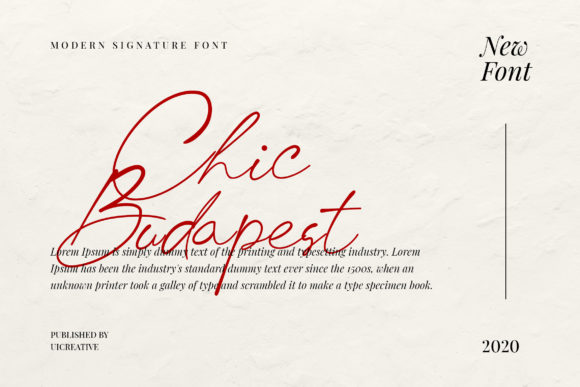
When you are scrolling through a high-end fashion magazine or browsing the latest collection on a boutique website, your eyes are often drawn to the typography first. The way words curve and flow can make the difference between a design that feels generic and one that whispers luxury. This is where Chic Budapest steps in as a game-changer for creative professionals. It is not just another font; it is a cursive and thin lettered script font defined by smooth curves that capture the essence of elegance without overwhelming the viewer.
Imagine opening a project file and immediately feeling a sense of confidence. That is the experience designers get when they add Chic Budapest to their toolkit. Its delicate structure allows it to sit comfortably alongside bold headlines or minimalist photography, creating a balanced composition that feels both modern and timeless. Whether you are working on a brand identity for a new clothing line or laying out an editorial spread for a lifestyle blog, this typeface offers a level of sophistication that is hard to replicate with standard sans-serifs.
The Art of Cursive in Modern Branding
Fashion branding requires a visual language that speaks directly to the emotions of the consumer. People do not just buy clothes; they buy into a story, an attitude, and a lifestyle. A font like Chic Budapest acts as the narrator of that story. Because it is characterized by its thin weight and flowing lines, it mimics the gesture of handwriting but with a polished, professional finish. This makes it incredibly versatile for brands that want to appear approachable yet exclusive.
Consider a startup launching a line of sustainable silk dresses. The packaging needs to look expensive, but the copy should feel personal. Using Chic Budapest for the logo or the tagline on the hangtag creates an immediate connection. The smooth curves soften the message, making the brand feel curated and thoughtful. It moves away from the cold, rigid aesthetic of corporate fonts and invites the customer into a more intimate space. When applied to social media graphics, these same curves catch the eye in a crowded feed, signaling that the content behind the image is premium.
Similarly, for established fashion houses looking to refresh their digital presence, this font offers a bridge between heritage and innovation. It retains the classic feel of old-world European style while maintaining the clean readability required for modern screens. The result is a brand identity that feels rooted in tradition but ready for the future.
Elevating Editorial Designs and Storytelling
Moving beyond logos and packaging, Chic Budapest shines brightly in the realm of editorial design. In print and digital magazines, the interplay between text and imagery is crucial. Editors often struggle to find a script that does not clash with complex layouts or distract from powerful photography. The thinness of Chic Budapest solves this problem perfectly. It provides emphasis without adding visual weight, allowing the photographs to remain the stars of the show.
Think about a feature article on Parisian street style. The layout might be busy, filled with textures and patterns. Introducing a heavy script here could create chaos. However, slipping Chic Budapest into the drop caps or pull quotes adds a layer of refinement. It guides the reader's eye through the narrative, creating a rhythm that feels natural and effortless. The smooth curves of the letters guide the gaze along the page, encouraging a leisurely reading experience that matches the aspirational tone of the content.
This versatility extends to wedding invitations, event programs, and luxury brochures. In these scenarios, the audience expects a certain level of formality mixed with artistic flair. Chic Budapest delivers exactly that. It transforms a simple invitation into a keepsake. The font's ability to handle ligatures and connect smoothly ensures that even long names or titles look cohesive and intentional. It is a tool that helps designers convey the importance of the occasion without saying a word.
Diverse Applications Across Industries
While the primary appeal of Chic Budapest lies within the fashion and editorial sectors, its utility stretches much further. Any industry that values aesthetics, personalization, and a touch of romance can benefit from this typeface. Beauty and skincare brands, for instance, often rely on typography that suggests purity and care. The fluid nature of the font aligns well with product names that promise transformation or self-care rituals.
- Coffee Shops and Cafes: A trendy café looking to distinguish itself might use Chic Budapest for its menu board or latte art descriptions. The thin strokes suggest a light, artisanal quality, fitting for a place that prides itself on specialty brews.
- Event Planning: Weddings, galas, and private parties require stationery that sets the mood. From save-the-dates to table numbers, this font brings a cohesive, high-end feel to all printed materials.
- Interior Design Blogs: For influencers sharing home decor tips, using Chic Budapest in headers creates a warm, inviting atmosphere that encourages readers to imagine themselves in the space.
Each of these audiences benefits differently. The coffee shop owner gains a unique brand voice; the event planner secures client trust through perceived quality; and the blogger builds a loyal community through consistent, stylish visuals. The key is understanding that Chic Budapest is not a one-size-fits-all solution, but rather a specific tool designed to evoke a specific feeling.
Practical Considerations for Implementation
Before diving headfirst into a project, there are practical aspects to consider when choosing Chic Budapest. While it is undeniably beautiful, its thin weight means it can sometimes lose legibility if used at very small sizes or on low-resolution screens. It is essential to test the font in context before finalizing any designs. If you are planning to use it for body text, you might find it too delicate for extended reading; in such cases, reserving it for headings, captions, or short phrases is often the smarter choice.
Another consideration is pairing. Because Chic Budapest is so expressive, it pairs best with neutral, clean typefaces. A stark sans-serif like Helvetica or a geometric grotesque can provide the necessary structural support to balance the flourishes of the script. Avoid pairing it with other scripts unless you are highly experienced, as the competition between two decorative typefaces can quickly become overwhelming. The goal is harmony, not clutter.
Furthermore, while the font is perfect for fashion and editorial contexts, it may not be the right fit for industries requiring absolute clarity and authority, such as legal documents or medical instructions. In those fields, the "chic" element might undermine the seriousness of the message. Knowing when to hold back is just as important as knowing when to apply the font confidently.
Why It Works for Creative Inspiration
Ultimately, the reason designers love Chic Budapest comes down to the emotional resonance it creates. It taps into a universal appreciation for beauty and craftsmanship. When you see the smooth curves of the letters, you instinctively recognize the effort put into the design. This recognition translates into a perception of value for the end user. Whether it is a label on a bottle of perfume or the title of a blog post about travel, the font elevates the content simply by being present.
It encourages creativity by pushing designers to think about whitespace and negative space. Because the letters are thin, they require room to breathe. This constraint forces a cleaner, more deliberate layout, which often results in a more impactful final product. By adding Chic Budapest confidently to your projects, you are not just selecting a font; you are committing to a standard of quality and style. The results speak for themselves, turning ordinary designs into memorable experiences.