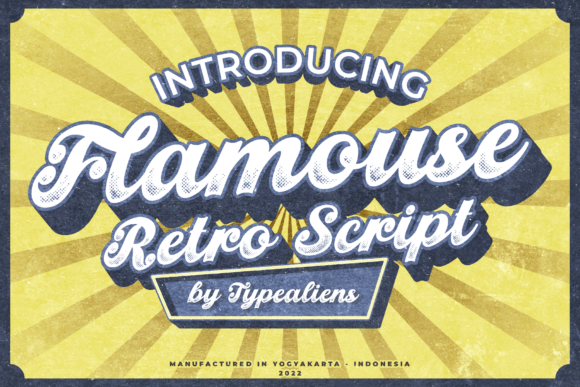
Flamouse: The Retro Script Font That Elevates Brand Identity
In the crowded landscape of digital and print design, selecting the right typography is often the difference between a project that feels generic and one that resonates deeply with an audience. Flamouse stands out as a distinctive asset for professionals seeking to inject nostalgia and character into their work. It is not merely a font; it is a stylistic tool designed to support specific aesthetic narratives, particularly those rooted in mid-century Americana and retro-futurism.
This script typeface is characterized by its bold, fat strokes and a unique halftone texture at the bottom of the letters. This textural element mimics the printing techniques of the 1950s and 60s, instantly evoking a sense of vintage authenticity. Whether you are a small business owner rebranding a local eatery or a graphic designer crafting a promotional campaign for a supermarket, understanding where Flamouse fits into your workflow is essential for achieving high-quality results.
Understanding the Visual DNA of Flamouse
To integrate Flamouse effectively, one must first understand its visual language. Unlike standard cursive scripts that prioritize legibility through thin, flowing lines, Flamouse embraces weight and presence. The "fat" nature of the font commands attention, making it ideal for headlines and display purposes rather than body text. The defining feature—the halftone texture—adds a layer of complexity that flat vector fonts lack. This texture simulates the grainy look of old newspaper prints or screen-printed posters, adding depth and tactile appeal to digital designs.
This unique combination of thick letterforms and textured detailing creates a visual identity that is both playful and authoritative. It breaks the monotony of clean, minimalist sans-serif trends that dominate modern web design. By introducing this element of imperfection and history, designers can create a more human connection with their audience. The font's distinctiveness ensures that any content featuring it will stand out in a feed or on a physical shelf, provided it is used within the correct context.
Strategic Applications Across Industries
The versatility of Flamouse allows it to serve various sectors, but its strength lies in industries that rely on atmosphere and tradition. When planning a branding project, consider how the font aligns with the core values of the client or the product being sold.
- Food and Beverage Brands: This is perhaps the most natural home for Flamouse. The font's retro vibe pairs exceptionally well with classic American-style restaurants, diners, and craft breweries. Imagine a menu board for a burger joint or a label for a soda brand; the fat script combined with the halftone effect suggests quality ingredients and time-honored recipes. It communicates a feeling of comfort and familiarity that modern, sleek fonts often fail to deliver.
- Retail and Supermarket Promos: In the fast-paced environment of retail, signage needs to grab attention immediately. Flamouse works beautifully for limited-time offers, seasonal sales, and clearance events. Its boldness ensures readability from a distance, while the retro style adds a touch of charm that differentiates a store from competitors using generic sans-serifs. For a supermarket promo flyer, this font can transform a simple price tag into a memorable marketing piece.
- Hospitality and Signage: Hotels aiming for a boutique or historic feel can utilize Flamouse for lobby signs, room service menus, or welcome books. The font's elegance, when paired with appropriate color palettes like deep reds, creams, and navy blues, can elevate the perceived value of the establishment. It signals that the property cares about detail and has a story to tell.
- Apparel and Merchandise: For t-shirt designs and streetwear, Flamouse offers a fresh take on typography. While it works well in many contexts, it shines brightest when paired with a baseball or sports theme. The thick, rounded letters mimic the aesthetic of vintage team jerseys. Designers can use it for team names, city slogans, or event merchandise, creating a look that appeals to fans of classic Americana and sports culture.
Integrating Flamouse into Your Creative Workflow
Successful implementation of a specialized font like Flamouse requires more than just dragging and dropping it into a design file. It involves a strategic approach to preparation, execution, and quality control. Here is how you can incorporate this tool into your professional process.
Preparation and Asset Management
Before starting a project, ensure you have the correct files and licenses. Since Flamouse is a display font, verify that your usage rights cover the intended medium, whether it is digital screens, large-scale outdoor signage, or printed merchandise. Organize your font library so that Flamouse is easily accessible alongside complementary assets. If you are working on a comprehensive brand guide, include examples of how the font interacts with other typefaces, such as a clean sans-serif for body copy or a slab serif for secondary headers.
Contextual Planning
During the conceptual phase, ask yourself if the retro aesthetic supports the message. Using Flamouse for a tech startup or a medical clinic might confuse the audience unless the goal is specifically ironic or highly stylized. However, for brands focusing on heritage, food, or leisure, it is a powerful ally. Sketch out layouts that leverage the height and weight of the characters. Because the font is heavy, it requires ample negative space to breathe. Avoid crowding the text with too many decorative elements, as the halftone texture already provides significant visual interest.
Execution and Compatibility
When moving to the design software, pay close attention to resolution and rendering. The halftone texture relies on pixel density to maintain its integrity. On low-resolution screens or when scaling down too much, the texture can become muddy or disappear entirely. Test your designs across various devices and sizes. For print projects, ensure the output resolution is sufficient (typically 300 DPI) to capture the nuance of the texture without aliasing artifacts. If you are integrating this font into a website, consider using SVG versions or high-quality image exports to preserve the texture, as web fonts may sometimes render the texture differently depending on the browser engine.
Optimizing for Consistency and Long-Term Use
Once Flamouse is selected, consistency becomes the key to maintaining a professional appearance. Establish clear guidelines for its usage early in the project lifecycle. Define minimum font sizes, line heights, and color contrasts. A common mistake is overusing the font for long paragraphs. Remember, it is a display text. Use it for headlines, pull quotes, and call-to-action buttons, but rely on a more neutral typeface for reading material.
Quality Control
Regularly audit your designs to ensure the font is being applied correctly. Check for issues like kerning problems, which can be exacerbated by the irregular shapes of script fonts. Ensure the contrast between the text and the background is high enough for accessibility. If the font is used on a dark background, verify that the white or light-colored halftone texture remains visible and does not blend into the surroundings. These small details often distinguish amateur work from professional-grade output.
Collaboration and Handoff
If you are working in a team or handing off files to a developer or printer, communication is vital. Clearly label the font family in your style guides and provide instructions on fallback options in case the font fails to load. Explain the specific "vibe" you are trying to achieve so that collaborators understand why Flamouse was chosen over other options. This shared understanding prevents deviations that could dilute the brand's identity.
Maximizing Impact Through Thoughtful Implementation
The true power of Flamouse lies in its ability to transport the viewer to a different era. By treating the font as a narrative device rather than just a set of characters, you can create designs that evoke emotion and memory. Whether you are designing a poster for a summer music festival, a logo for a new coffee shop, or a custom jersey for a local baseball team, the decision to use this font should be deliberate.
Consider the broader ecosystem of your design. How does the font interact with the imagery? Does it complement the photography, or does it compete for attention? Often, the best results come from balancing the boldness of the font with simpler, cleaner visuals. Let the typography be the star, supported by subtle colors and minimal graphics.
Ultimately, integrating Flamouse into your workflow is about enhancing the user experience through visual storytelling. It is a tool that, when wielded with skill and intention, can turn a standard project into a memorable brand experience. By focusing on practical application, respecting the technical limitations of the font, and aligning its retro charm with modern business goals, you can unlock the full potential of this unique typeface. As you move forward with your next creative endeavor, keep Flamouse in mind as a versatile option that brings warmth, character, and a touch of history to your work.