Neon Absolute Duo: A Comprehensive Evaluation of the Script and Sans Pair
In the landscape of digital typography, finding a typeface that balances retro aesthetics with modern functionality is often a challenge. Neon Absolute Duo emerges as a contemporary solution designed to bridge the gap between 1980s nostalgia and clean, professional design standards. This font family consists of a script and a sans-serif companion, both inspired by the visual language of neon lights and vintage signage. For designers seeking typographic harmony across diverse media, understanding the specific capabilities and limitations of this pair is essential before integration into a project.
Understanding the Composition of Neon Absolute Duo
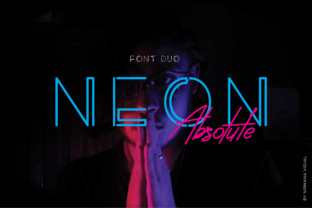
The core identity of Neon Absolute Duo lies in its dual nature. It is not merely a single style but a curated set of three distinct font files intended to function either as a cohesive unit or as independent typefaces. The primary components include a flowing script typeface and a complementary sans-serif font. The script element captures the fluidity and elegance associated with hand-lettered neon signs, while the sans-serif component provides the structural clarity necessary for legibility in body text or technical applications.
This combination addresses a common pain point in graphic design: the difficulty of pairing fonts that share a thematic connection without clashing. By offering a pre-matched set, the designers ensure that the curves of the script align visually with the geometric precision of the sans-serif. The inclusion of a third file suggests additional weights or stylistic alternates, further expanding the utility of the package. Each file is encoded using PUA (Private Use Area) standards, which allows for advanced character mapping and access to special glyphs that standard Unicode might not support.
Key Features and Technical Specifications
When evaluating any typeface, technical robustness is as important as aesthetic appeal. Neon Absolute is built with versatility in mind. The font files are designed to be compatible with a wide range of design software, ensuring that the intended look is preserved regardless of the platform used. The PUA encoding is particularly notable for users who require custom symbols or extended character sets, such as specialized icons or decorative elements that go beyond standard alphanumeric characters.
The package also includes an Icon Bonus Vector. This addition transforms the download from a simple font set into a more comprehensive design resource. Vector icons can be scaled to any size without loss of quality, making them ideal for web interfaces, mobile applications, and print materials where resolution independence is critical. This feature adds tangible value, reducing the need for external icon libraries for projects requiring a unified visual theme.
Strategic Applications and Design Scenarios
The decision to use Neon Absolute Duo should be driven by the specific requirements of the project at hand. Its unique blend of script and sans styles makes it particularly effective in scenarios where brand personality needs to be conveyed quickly and memorably.
- Branding and Logos: The contrast between the handwritten flair of the script and the stability of the sans-serif creates a dynamic logo composition. This is highly effective for businesses in the hospitality, entertainment, or creative industries that wish to evoke a sense of nightlife or artistic expression.
- Social Media and Advertising: In crowded digital feeds, typography must grab attention. The neon-inspired aesthetic naturally stands out, making these fonts suitable for promotional posts, event flyers, and banner advertisements where a vibrant, energetic tone is desired.
- Photography and Watermarks: Photographers and artists often seek signatures that add a personal touch without overwhelming the image. The script variant serves well as a watermark or signature, providing a distinctive mark of ownership that feels organic rather than corporate.
- Album Covers and Editorial Design: Music albums, magazines, and editorial layouts benefit from the dramatic tension created by mixing scripts with sans-serifs. The font's ability to convey mood through style alone allows designers to set the tone of a publication before a word is read.
Evaluating Tradeoffs and Considerations
While Neon Absolute Duo offers significant advantages, it is not a universal solution. Every typeface comes with constraints that must be weighed against project goals. Understanding these tradeoffs is crucial for making an informed selection.
One primary consideration is legibility. While the script font is beautiful, elaborate typefaces often sacrifice readability, especially at smaller sizes or in long blocks of text. Relying on the script for body copy is generally inadvisable. Instead, the sans-serif component should be utilized for paragraphs and detailed information, reserving the script for headlines and accents. Failure to respect this hierarchy can result in user fatigue and reduced comprehension.
Additionally, the specific "neon" aesthetic may limit the font's applicability in certain contexts. Projects requiring a strictly minimalist, corporate, or serious tone might find the retro influences too distracting. If a client demands a neutral, invisible typeface that does not draw attention to itself, this duo would likely be a poor fit. The strong visual identity of Neon Absolute dictates a specific brand voice; if that voice does not align with the client's message, the design will feel dissonant.
Decision-Making Framework
To determine whether Neon Absolute Duo aligns with your current objectives, consider the following factors during the evaluation process.
- Define the Brand Voice: Does the project require a nostalgic, energetic, or artistic vibe? If the answer is yes, the 1980s inspiration of this font is a strategic asset. If the goal is neutrality or high-tech minimalism, explore alternatives.
- Assess Usage Volume: Will the font be used primarily for short-form content like logos and headers, or does it need to handle extensive reading material? If the latter, prioritize the sans-serif component and verify its legibility at small scales.
- Check Technical Requirements: Verify that your workflow supports PUA-encoded fonts. While most modern design tools handle this well, older systems or specific web environments may require conversion or fallback strategies.
- Consider the Icon Bonus: Evaluate if the included vector icons meet your needs. Having integrated icons can streamline the design process, but ensure their style matches the rest of your visual assets.
Alternatives and Comparisons
If Neon Absolute Duo does not fully meet your criteria, other options exist. For a similar retro vibe but with different weight distributions, one might look at classic revival fonts that focus solely on display usage. For projects needing greater legibility in mixed-media contexts, a dedicated pairing of a highly readable serif with a geometric sans-serif might offer more flexibility. However, those alternatives often require more effort to match correctly compared to the pre-curated harmony of Neon Absolute.
Conclusion
Neon Absolute Duo represents a thoughtful approach to type design, merging the allure of vintage neon culture with the practical demands of contemporary digital design. Its strength lies in the seamless relationship between its script and sans-serif components, supported by the added value of vector icons and PUA encoding. While it may not be suitable for every context, particularly those demanding strict neutrality or heavy body text, it excels in projects requiring a bold, stylish, and cohesive visual identity.
For designers looking to create impactful logos, engaging social media graphics, or memorable album covers, this font pair offers a reliable foundation. By carefully considering the tradeoffs regarding legibility and aesthetic tone, users can leverage Neon Absolute Duo to produce work that resonates with audiences while maintaining professional standards.