Unlocking the Potential of Rustic Astera for Premium Branding
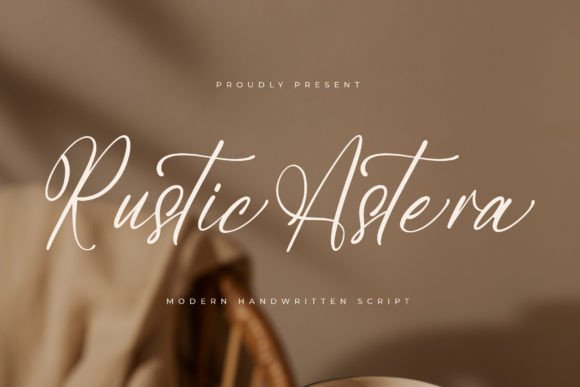
In a digital landscape saturated with generic typefaces, finding a font that instantly communicates quality and elegance is a challenge many designers face. This is where Rustic Astera from Letterena steps in as a transformative tool. It is not merely a decorative element; it is a Luxury Script designed to elevate projects ranging from high-end branding to intimate wedding invitations. When you are working on product packaging, mugs, or book covers, the typography often dictates the perceived value of the item before a customer even reads the copy.
However, simply downloading a font does not guarantee success. Many creators make the mistake of assuming that because a script looks beautiful in isolation, it will perform equally well across all mediums. To truly leverage the power of this handcrafted typeface, one must understand its specific characteristics and avoid common pitfalls that can dilute its impact. By approaching Rustic Astera with the right strategy, you ensure your designs remain professional, legible, and distinctly luxurious.
Navigating Common Usage Mistakes
One of the most frequent errors when adopting a script like Rustic Astera is overusing it without considering context. Because the font has such a strong personality, it can easily overpower other design elements if used indiscriminately. Beginners often fill entire paragraphs with this script, which leads to readability issues. A luxury script is intended for headlines, logos, and short phrases, not for body text. When you force a handwritten style into dense blocks of information, you sacrifice clarity for aesthetics, confusing your audience and reducing the effectiveness of your message.
Another overlooked detail involves the pairing of fonts. Designers sometimes struggle to find a complementary sans-serif or serif that balances the organic curves of Rustic Astera. If the supporting text is too decorative, the entire composition becomes chaotic. Conversely, if the pairing is too rigid, the script loses its charm. The goal is harmony. You want the script to sing while the secondary text provides a solid foundation. Ignoring this balance can result in a design that feels disjointed rather than cohesive.
- Mismatched Weight: Using a heavy version of the script with delicate line work can create visual tension. Ensure the weight of the script matches the weight of your accompanying imagery and text.
- Ignoring Kerning: Handwritten scripts have natural spacing that digital kerning tools might disrupt. Tightening letters too much can cause them to merge, while leaving them too loose creates gaps that break the flow of words.
- Low Contrast Applications: Applying dark script on dark backgrounds or light script on white backgrounds without sufficient contrast renders the text invisible. Always test your color combinations.
Evaluating Licensing and Technical Compatibility
Before purchasing or downloading Rustic Astera, it is crucial to verify the licensing terms. Many users assume that a "free" download allows for commercial use in merchandise like t-shirts and shopping bags, but this is often incorrect. Commercial licenses vary significantly between personal and business use. Failing to secure the proper license can lead to legal complications and financial penalties, especially for small business owners and freelancers who sell products featuring their designs.
Furthermore, technical compatibility is a frequent stumbling block. While Rustic Astera is versatile, it may not render correctly on all web browsers or older operating systems if the file format is not optimized. For web projects involving watermarks or digital posters, ensure the font is converted to web-safe formats (like WOFF2) or embedded correctly to prevent fallback to generic system fonts. This oversight can ruin the visual integrity of a website or app, making a premium brand look unprofessional.
When evaluating the font for specific applications, consider the resolution requirements. If you plan to use Rustic Astera for large-scale printing, such as billboards or large-format posters, check that the vector outlines are clean. Poorly drawn glyphs can pixelate or lose detail when scaled up, diminishing the "luxury" feel the font is meant to convey. Always preview your design at 100% scale before sending files to print.
Strategic Application for Maximum Impact
To get the best results, apply Rustic Astera with intention. For branding projects, use the font to create a memorable logo mark. Its rustic yet elegant nature works exceptionally well for artisanal brands, boutique homeware stores, and lifestyle businesses. However, do not rely on it alone. Combine it with a clean, modern sans-serif to anchor the brand identity. This combination suggests tradition and craftsmanship (from the script) alongside efficiency and modernity (from the sans-serif).
In the realm of event planning, this font shines for invitation cards and greeting cards. The flowing strokes mimic the care taken in writing by hand, adding a personal touch that digital templates often lack. When designing name cards or labels, ensure there is ample whitespace around the text. Crowding a luxury script makes it look cheap. Let the letters breathe to maintain an air of exclusivity.
- Start with a Mood Board: Before opening your design software, gather images that reflect the vibe of Rustic Astera. Look for textures, lighting, and colors that match the font's character.
- Test Legibility: Show your design to someone unfamiliar with the project. If they cannot read the headline immediately, adjust the size or spacing.
- Check Color Variations: Test the font in black, white, and grayscale to ensure it holds up without relying solely on color effects.
Choosing the Right Variation
Letterena offers variations within the Rustic Astera family, including the Modern Handwritten Script version. Understanding the difference between these styles is vital. The standard version might lean more towards a traditional calligraphy feel, while the Modern Handwritten variation could offer sharper angles or different stroke widths suitable for contemporary branding. Selecting the wrong variation can send mixed signals to your audience. If your brand is about minimalism and speed, the heavy, ornate version might be too slow visually. If your brand is about heritage and warmth, the stark modern version might feel cold.
Always review the full character set before finalizing your decision. Check for special characters, ligatures, and alternate glyphs that can add unique flair to your designs. These details often separate a good design from a great one. By paying attention to these nuances, you ensure that every project—from photography watermarks to special event signage—benefits from the full potential of the font.
Ultimately, Rustic Astera is a powerful asset for anyone looking to infuse their work with a sense of refined beauty. By avoiding the common traps of poor pairing, licensing oversights, and technical neglect, you can harness its capabilities effectively. Whether you are a seasoned marketer or a hobbyist creating custom gifts, taking the time to understand how to use this luxury script correctly will pay dividends in the quality and reception of your final output.