Alegarde Font Evaluation
In the landscape of digital typography, selecting a typeface requires balancing aesthetic appeal with functional utility. Alegarde stands out as a distinctive option within the script category, offering a specific blend of historical influence and modern adaptability. Designed to bridge the gap between traditional copperplate engraving and contemporary design needs, this font provides a unique visual identity that is both ornate and legible.
Understanding the specific characteristics of Alegarde is essential for designers and content creators who are evaluating whether it aligns with their project goals. This evaluation explores the font's origins, its stylistic nuances, and practical applications to help users make an informed decision.
Defining the Character of Alegarde
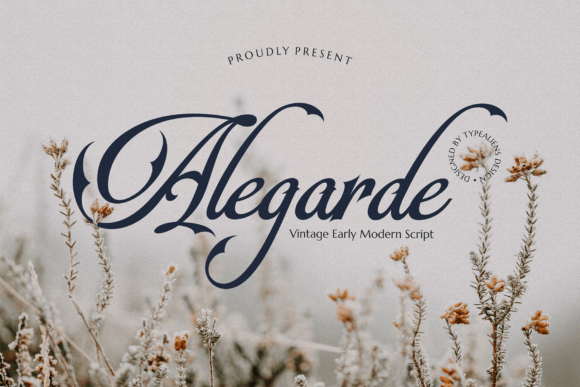
Alegarde is fundamentally a classic script font that draws heavy inspiration from old copperplate calligraphy. Copperplate styles are historically known for their high contrast between thick and thin lines, creating a sense of fluidity and grace. However, Alegarde introduces a specific modification to this traditional structure: small spires added to the ends of strokes. These subtle additions infuse the letterforms with a slightly gothic quality, differentiating it from purely classical scripts.
This hybrid nature means the font does not strictly adhere to one historical period. Instead, it offers a timeless elegance that feels familiar yet distinct. The inclusion of these spires adds a touch of sophistication without overwhelming the viewer with excessive ornamentation. As a result, the font maintains a level of simplicity that allows it to function effectively in modern designs where minimalism is often preferred.
- Historical Roots: Based on the high-contrast curves of traditional copperplate writing.
- Unique Detailing: Features decorative spires at stroke terminals for a gothic flair.
- Visual Tone: Combines classic formality with modern readability.
Primary Applications and Use Cases
The versatility of Alegarde makes it suitable for a wide range of design contexts, particularly those requiring a tone of elegance and personal connection. Its most prominent application lies in the realm of stationery and event planning. Because of its inherent grace, it is frequently chosen for wedding invitations, where the name of the bride and groom serves as the focal point.
In this context, the font elevates the perceived value of the invitation. The script style suggests care and attention to detail, which resonates with the sentiment of a formal celebration. Beyond weddings, Alegarde is highly effective for formal correspondence, such as handwritten-style letters or certificates. The spire details add a layer of distinction that plain sans-serif or serif fonts cannot achieve.
However, the font's capabilities extend beyond traditional paper goods. Modern web and graphic design projects often seek to incorporate personality without sacrificing clarity. Alegarde fits well in scenarios where a brand wants to convey luxury, heritage, or artistic sensibility. It can be used for headlines, logos, or key graphical elements where the text does not need to be read rapidly but rather appreciated visually.
Evaluating Benefits and Tradeoffs
When considering Alegarde for a project, it is crucial to weigh its aesthetic strengths against potential functional limitations. Like all display scripts, the font excels in short phrases and large sizes but faces challenges when used for extended body text.
Benefits:
The primary advantage of Alegarde is its ability to command attention while maintaining a refined appearance. The contrast provided by the copperplate style creates visual interest, and the added spires ensure the font does not look generic. It avoids the cluttered feel of some overly decorative scripts, making it a "safe" choice for elegant designs that still need to remain legible. Furthermore, its compatibility with simple and elegant modern designs allows it to integrate seamlessly into layouts that might otherwise feel too rigid.
Tradeoffs and Considerations:
The main limitation involves legibility at small sizes or in dense paragraphs. The intricate details of the spires and the varying stroke widths can become muddy when scaled down. Designers must be cautious when pairing Alegarde with other fonts; because it is so distinctive, it should generally be the dominant typographic element rather than competing with another script or highly stylized typeface.
Additionally, accessibility should be considered. While beautiful, complex script fonts can present barriers for readers with dyslexia or visual impairments. Therefore, Alegarde is best reserved for titles, headings, and decorative accents rather than instructional content or legal disclaimers.
Situational Fit and Alternatives
Determining whether Alegarde is the right choice depends heavily on the specific requirements of the project. It is a strong fit for situations where the goal is to evoke emotion, tradition, or romance. For example, a boutique hotel website looking to highlight its historic architecture would find Alegarde appropriate for section headers. Similarly, a luxury jewelry brand could use it for product names to emphasize craftsmanship.
Conversely, there are scenarios where alternatives may be worth considering. If the design brief demands a more casual or approachable tone, a less formal script might be preferable. Projects focused on mobile-first interfaces or data-heavy dashboards will likely struggle with the legibility constraints of Alegarde. In cases where maximum readability is the priority over style, a clean sans-serif or a simpler serif typeface would serve the user better.
For users seeking similar aesthetics but with different structural qualities, exploring other copperplate-inspired fonts with fewer decorative elements might be beneficial. Alternatively, if the gothic spires are deemed too distracting, a standard cursive script could provide the necessary elegance without the added complexity.
Practical Decision-Making Insights
To determine if Alegarde aligns with your goals, consider the following checklist during the selection process:
- Readability Check: Test the font at the intended size. Can you easily distinguish individual characters?
- Tone Alignment: Does the gothic-copperplate hybrid match the brand voice? Is it too formal or just right?
- Contextual Usage: Are you using it for headlines and accents only, or attempting to use it for long-form text?
- Pairing Strategy: Have you identified a neutral companion font that will support Alegarde without clashing?
By approaching the selection with these criteria, designers can leverage the unique qualities of Alegarde effectively. It is a tool that, when used correctly, adds a layer of sophistication to a project. However, like any powerful design element, it requires restraint and strategic placement to ensure the final output remains professional and accessible.
Ultimately, Alegarde represents a thoughtful evolution of classic typography. It honors the past while adapting to current design trends. For those seeking a font that bridges the gap between old-world charm and modern elegance, it remains a compelling candidate worthy of consideration.