Corin Stacy Font Evaluation
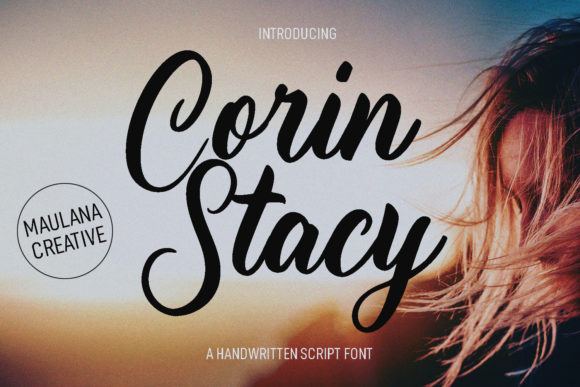
When selecting a typeface for a design project, the choice often dictates the visual hierarchy and emotional tone of the final output. Corin Stacy is a distinctive calligraphic script font that has gained attention for its unique blend of formal structure and playful execution. It is characterized by bold strokes and high contrast between thick and thin lines, creating a dynamic visual rhythm. Unlike many traditional scripts that prioritize uniformity or delicate elegance, this typeface introduces a sense of movement and personality through its specific stroke weights and character variations.
For designers, brand managers, and content creators evaluating typography options, understanding the specific attributes of a font is essential before integrating it into a workflow. This evaluation explores the functional capabilities of Corin Stacy, analyzing its strengths in various contexts while acknowledging the limitations inherent to decorative script families. The goal is to provide an objective assessment to help stakeholders determine if this tool aligns with their specific communication goals.
Defining the Typeface Characteristics
At its core, Corin Stacy functions as a display script rather than a body text solution. Its primary design feature is the significant variation in stroke weight, known as high contrast. This creates a dramatic effect where certain parts of the letterforms appear heavy and substantial, while others are reduced to fine, hairline details. This contrast draws the eye immediately, making the text highly legible at large sizes but potentially difficult to read when scaled down significantly.
The font family includes a comprehensive set of features designed to enhance versatility within the script style. These include:
- Ligatures: Pre-designed connections between specific letter pairs that improve flow and reduce awkward spacing gaps common in manual handwriting simulation.
- Alternates: Multiple glyph options for standard characters, allowing designers to customize the look of words to avoid repetition and add unique stylistic flourishes.
- Fun Characters: A selection of decorative elements and stylized letters that inject a sense of whimsy and informality into the design.
These technical components allow for a level of customization that goes beyond simply typing text. They enable the creation of bespoke headlines that feel hand-crafted yet remain consistent across different applications.
Ideal Applications and Use Cases
The structural properties of Corin Stacy make it particularly well-suited for projects where visual impact is prioritized over dense information delivery. Because of its bold nature and high contrast, it excels in scenarios where the text serves as a primary visual element.
Product Packaging and Branding
In the realm of packaging, shelf presence is critical. The bold strokes of this font can cut through visual clutter on a retail shelf. For brands aiming to convey a sense of premium quality mixed with approachability, such as artisanal foods, cosmetics, or boutique beverages, the script offers a sophisticated yet accessible aesthetic. The ligatures ensure that brand names or key product descriptors look cohesive and professionally executed.
Editorial and Magazine Covers
Magazine covers require typography that commands attention instantly. The high contrast of Corin Stacy provides the necessary drama to support complex imagery without competing for dominance. It works effectively for main headlines or feature titles where the goal is to evoke a specific mood—often one of creativity, fashion, or lifestyle.
Social Media and Digital Graphics
On social media platforms, content must be consumed quickly. Large-scale graphics featuring quotes, announcements, or event dates benefit from the readability of bold script fonts. When used to express words above a background image, the font acts as a strong overlay that anchors the composition. However, success here depends heavily on ensuring sufficient contrast between the text color and the underlying image.
Wedding and Event Design
The "fun" aspect of the character set makes it a viable option for wedding invitations, save-the-dates, and signage. While traditional scripts often lean towards extreme delicacy, this font's bolder weight can provide better visibility for printed materials while retaining the romantic connotations associated with calligraphy.
Limitations and Tradeoffs
While the font possesses distinct advantages, there are significant tradeoffs that designers must consider. The most notable limitation is its suitability for extended text. Due to the high contrast and varying stroke widths, reading long paragraphs of copy becomes fatiguing for the user. The visual noise created by the alternating thick and thin lines disrupts the reading rhythm required for body text.
Additionally, the "fun" and decorative nature of the alternates can be a double-edged sword. In professional contexts requiring strict brand consistency or minimalism, these characters might introduce too much visual variance. If not managed carefully, the use of multiple alternates can make a design appear chaotic rather than curated. Designers must exercise restraint, selecting only the alternates that serve the specific compositional need rather than using them indiscriminately.
There is also a consideration regarding file size and compatibility. Fonts with extensive alternate sets and ligatures can result in larger file sizes, which may impact web performance if not optimized correctly. Furthermore, while the font is likely available in OpenType format, ensuring that all intended characters render correctly across different operating systems and browsers requires testing.
Comparative Considerations
When deciding whether to use Corin Stacy, it is helpful to compare it against other categories of typefaces. If the project requires a clean, modern, and neutral appearance, a sans-serif geometric font would be a more appropriate choice. Similarly, if the goal is to evoke a classic, timeless elegance without the "playful" energy, a more traditional, low-contrast serif or a restrained cursive script might be preferable.
For projects demanding maximum readability at small sizes, such as mobile app interfaces or detailed legal documents, a humanist sans-serif or a standard serif typeface would be superior. Corin Stacy is not designed for utility; it is designed for expression. Evaluating the project requirements against this distinction is crucial. If the primary function of the text is to convey data or instructions, this font should be avoided.
Decision-Making Insights
To determine if Corin Stacy aligns with your project goals, consider the following practical questions:
- What is the primary function of the text? If the answer is "headline," "logo," or "emphasis," the font is a strong candidate. If the answer is "instruction" or "narrative," look elsewhere.
- What is the desired emotional response? Does the brand voice require a touch of whimsy and boldness? If so, the fun characters and high contrast will reinforce this message.
- How will the text be displayed? Will it be viewed primarily on large screens, print posters, or packaging? Ensure the resolution and viewing distance support the high-contrast details.
- Is there a need for customization? Do you have the time and skill to utilize ligatures and alternates effectively? Using these features manually can elevate the design, but relying on default settings may result in a generic look.
In conclusion, Corin Stacy is a specialized tool for designers seeking to create impactful, expressive typography. It is not a universal solution but excels in specific niches where visual flair and bold statement-making are paramount. By understanding its characteristics and respecting its limitations, users can leverage its unique qualities to produce professional and engaging designs.